

How Phones Are Becoming the Primary Source of Loneliness: Reclaim Real Connections with Mindful Tools
How Phones Are Becoming the Primary Source of Loneliness: Reclaim Real Connections with Mindful Tools

Smartphones promise endless connection. Social media, messaging, and video calls keep us linked to friends, family, and the world. Yet research reveals a paradox: heavier phone and social media use often correlates with greater loneliness and isolation.
Studies consistently show positive associations between smartphone addiction, excessive screen time, and feelings of loneliness. Heavy users report higher loneliness levels, reduced well-being, and weaker real-world relationships. Despite digital links, many feel more alone than ever.
This growing disconnect affects daily interactions, including shared moments like meals, outings, and events. Phones pull attention inward, replacing presence with scrolling. Photography suffers too: constant phone use turns capturing memories into distracted, solitary acts.
Tools like screenless cameras offer a path back to authentic connections. By encouraging users to set phones aside, they foster presence, meaningful interactions, and deeper bonds.
The Loneliness Epidemic and Technology's Role

Loneliness affects millions worldwide. Health experts describe it as an epidemic with serious impacts on mental and physical well-being. Research links chronic loneliness to increased risks of depression, anxiety, and even premature mortality.
Technology plays a complex role. While digital tools enable communication, excessive use often displaces face-to-face interactions. Key findings include:
- Positive correlations between smartphone addiction and loneliness levels
- Heavy social media use associated with heightened feelings of isolation
- Passive scrolling linked to rising loneliness over time
- Smartphone presence alone reduces cognitive capacity for real connections
- Compulsive checking fragments attention and emotional availability
Virtual interactions lack depth. Likes and comments provide fleeting validation but rarely fulfill needs for genuine belonging.
How Phones Disrupt Real-World Connections

Social settings highlight the issue. At gatherings, meals, or events, phones demand attention. Conversations pause for notifications. Eye contact breaks for screens.
This "alone together" phenomenon creates distance. Partners, friends, and family members feel secondary to devices. Over time, relationships weaken. Shared experiences lose richness when mediated through phones.
Children and teens face particular risks. Modeling adult habits, they prioritize screens over play and talk. Social skills development suffers. Feelings of exclusion grow when online highlights overshadow real life.
Phone-Based Photography: Isolating Rather Than Connecting
Photography once brought people together. Sharing prints sparked stories and laughter. Today, phone cameras dominate, but often isolate.
Common patterns include:
- Framing shots alone while missing participation
- Reviewing and editing in isolation
- Posting for validation rather than personal memory
- Notifications interrupting shared moments
- Pressure for perfect images adding stress
Events become performances for screens. Genuine interactions fade as focus shifts to capturing content.
The Psychological Toll of Constant Connectivity
Doomscrolling and comparison fuel negative cycles. Curated online lives breed inadequacy. Fear of missing out keeps users glued despite dissatisfaction.
Sleep disruption from late-night use compounds issues. Reduced rest heightens emotional vulnerability and perceived isolation.
Many recognize the problem yet struggle to disconnect. Habit loops and design features make phones hard to put down.
Breaking the Cycle: Tools for Presence and Connection

Intentional steps reclaim relationships. Device-free zones, shared activities, and mindful habits help. Dedicated tools separate functions from addictive platforms.
Screenless alternatives encourage putting phones away. Users engage fully, knowing capture remains possible without distraction.
Cappy Camera: Fostering Connection Through Mindful Photography

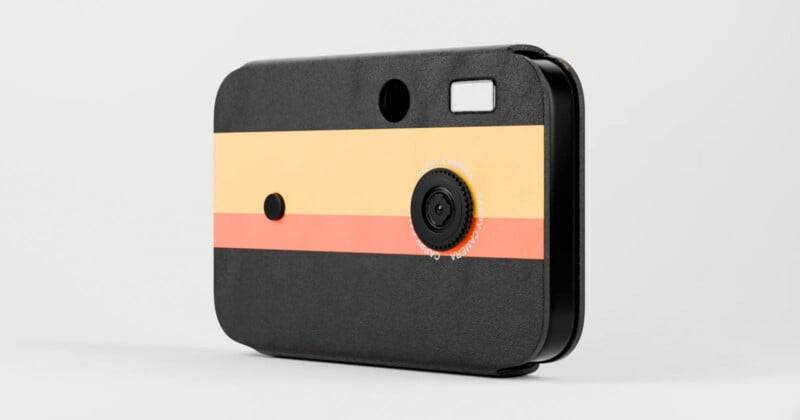
Cappy Camera counters phone-induced isolation perfectly. Its screenless design requires setting smartphones aside for photography.
Benefits for connections:
- No previews or notifications interrupt interactions
- Simple operation keeps focus on people and moments
- Delayed viewing sparks shared discovery sessions
- Authentic images reflect real emotions and bonds
- Encourages participation over documentation
Features include four color filters, integrated flash, video mode, rechargeable battery, and customizable cases. Compact build suits outings and gatherings.
Users report stronger presence at events. Family bonds deepen. Friendships feel richer without digital barriers.
Real Stories: Overcoming Loneliness with Intentional Tools

Many share transformations. Parents note meaningful talks during walks. Couples recapture attentiveness. Friends laugh more freely.
Photography becomes collaborative again. Group anticipation builds around later views. Stories flow naturally.
Practical Steps to Reduce Phone-Driven Loneliness
Start small:
- Designate phone-free times and spaces
- Use dedicated devices for specific activities
- Choose tools like Cappy Camera for outings
- Practice full presence during interactions
- Share experiences directly rather than digitally
- Reflect on device habits regularly
Changes compound. Relationships strengthen. Loneliness fades.
Choose Connection Over Constant Connectivity

Phones offer convenience but often at the cost of genuine bonds. Rising loneliness linked to technology use signals need for balance.
Mindful tools help reclaim presence. Screenless options like Cappy Camera facilitate authentic capture while encouraging real engagement.
Prioritize people over pixels. Foster connections that endure.
Don't worry. Be Cappy.
Shop Cappy Camera now and start building stronger relationships today.